This is general information about Nigerian property practice, not legal advice. Every transaction is different. Speak to a qualified lawyer about your specific purchase before acting.
Buying land in Nigeria can be one of the most rewarding, or most ruinous, decisions you make. Almost every land dispute traces back to a check that was skipped before money changed hands. Here is what to verify first.
Start with the title, not the price
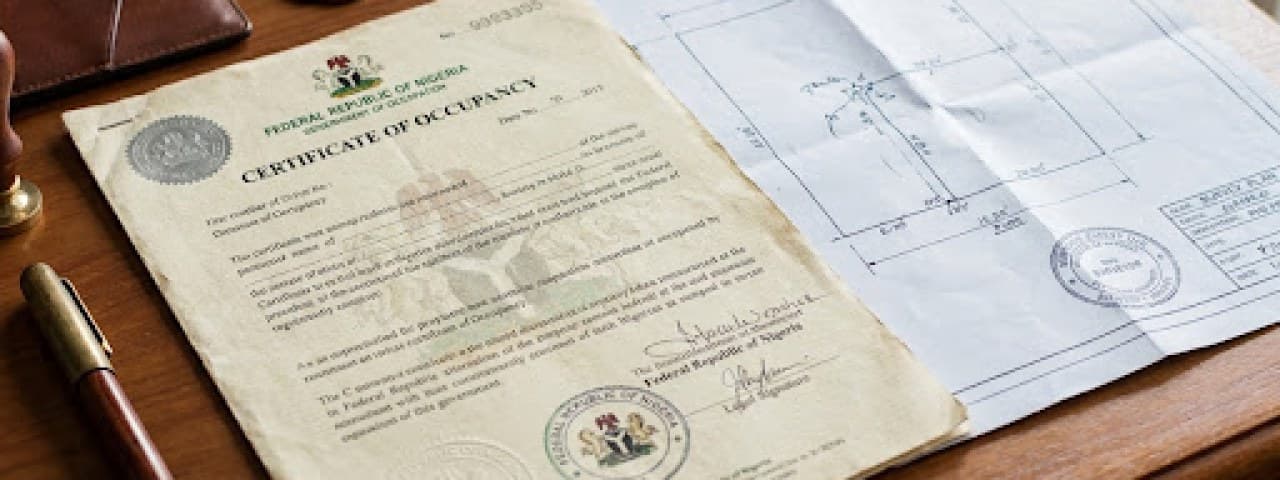
The most common mistake buyers make is negotiating the price before confirming that the seller actually owns the land and is legally able to transfer it. A low price often reflects a defect in title, not a bargain. Before anything else, establish what the seller holds: a Certificate of Occupancy (C of O), a registered deed of assignment, a governor's consent, or nothing more than a receipt and a promise.
Ask for copies of every document the seller relies on to prove ownership, and note whose name appears on them. If the person selling is not the person named on the title, you need to see the chain of transfers, and confirm each one was properly done.
The searches that actually matter
Independent verification, not the seller's assurances, is what protects you. Three checks do most of the work:
- Land registry search. A search at the relevant state land registry confirms the registered owner, whether the title is genuine, and whether the land is subject to any mortgage, court order, or government acquisition.
- Survey plan and charting. Charting the survey plan at the office of the surveyor-general shows whether the land falls within government-acquired or committed areas, a frequent and expensive surprise.
- Physical inspection. Visit the land with the survey plan. Confirm the beacons, the size, the access road, and whether anyone is already occupying or claiming it.
Governor's consent: why it matters
Under the Land Use Act, most land in Nigeria is held on a leasehold from the state governor. A sale or assignment of that interest generally requires the governor's consent to be fully valid and registrable. Buying without it can leave you unable to register your interest, perfect your title, or resell cleanly later. Factor the time and cost of obtaining consent into the transaction from the start.
Red flags that should pause a purchase
- The seller cannot produce original title documents, only photocopies or receipts.
- The name on the title differs from the seller's, with no clear chain of transfer.
- Pressure to pay a deposit quickly, before searches can be completed.
- The land is within a government acquisition or committed area.
- Multiple people claim to be selling the same plot.
- Boundaries on the ground do not match the survey plan.
When to consult a lawyer
Involve a lawyer before you pay any money, not after a dispute arises. A property lawyer can run the searches, verify the title independently, confirm the seller's capacity to sell, obtain governor's consent, and prepare a sale agreement and deed of assignment that actually protect you. The cost of that work is almost always a fraction of what you stand to lose on a defective title.
Book a ConsultationThis article is provided for general information about Nigerian law and practice and does not constitute legal advice or create a lawyer-client relationship. Laws and procedures change and vary by state. You should obtain advice from a qualified legal practitioner about your specific circumstances before acting. Sam Onah & Associates accepts no responsibility for action taken in reliance on this general information.